
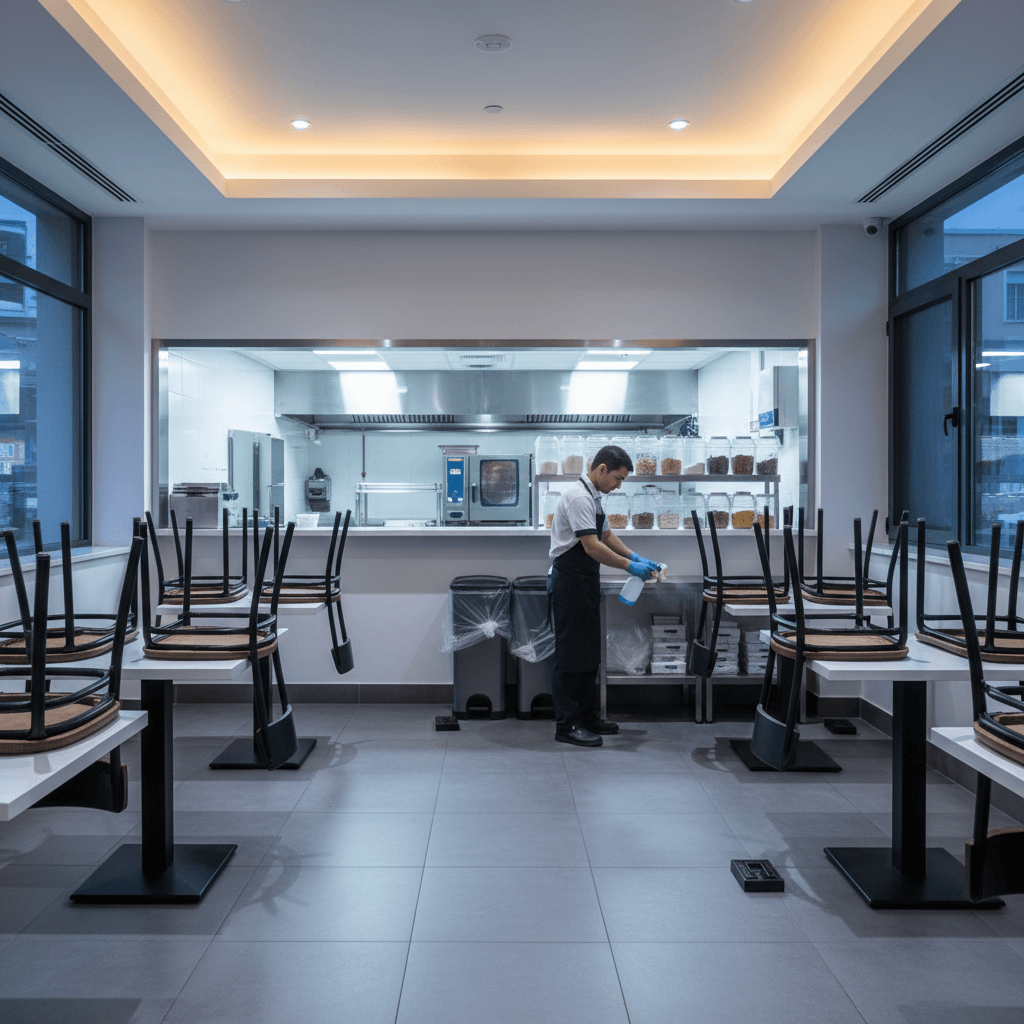
Preventing Infestations In Dining Spaces
Preventing Infestations In Dining Spaces starts with the right mindset and steady habits. When restaurants, cafés, and food halls treat pest prevention as a continuous activity rather than a one time fix, they protect customers, staff, and reputation. This article walks through practical steps owners and managers can use to reduce risk and keep dining areas safe and sanitary.
Every dining space faces four common vulnerabilities that invite pests: food residues, moisture, entry points, and clutter. By tackling each area with clear procedures, frequent checks, and a few strategic investments, teams can cut the chance of an infestation and reduce the scale if one does occur. Below are proven tactics, checklists, and decision points you can implement immediately.
Recognizing Common Pest Risks in Dining Spaces
Knowing which pests are most likely to appear helps prioritize actions. In many regions, rodents, cockroaches, flies, stored product pests, and ants are the top issues in food establishments. Each species has distinct signs, behaviors, and attraction points.
- Rodents: droppings, gnaw marks on packaging, oily rub marks along walls, nesting materials in hidden voids
- Cockroaches: shed skins, small dark droppings, a musty odor in severe cases, activity at night
- Flies: large numbers near windows, doors, dumpsters, or food preparation areas on warm days
- Stored product pests: webbing in dry goods, holes in packaging, small beetles or moths
- Ants: small trails leading from outside into kitchens or storage areas following food residues
Spotting early indicators reduces cleanup and repair costs later. Train staff to report unusual signs immediately and keep a log of sightings to detect patterns such as time of day or location clusters.
Layout and Building Maintenance to Reduce Entry Points
Physical barriers and good facility upkeep are front line defenses. Pests exploit gaps as narrow as a quarter inch for mice or even less for cockroaches. Regular building checks and prompt repairs close the openings pests use to enter dining zones.
- Seal gaps around pipes, utility entries, and service doors with durable materials
- Install door sweeps and weather stripping on exterior doors
- Repair torn screens on windows and vents
- Maintain a concrete or gravel perimeter to reduce vegetation contact with walls
Routine checks should be scheduled weekly for high traffic openings and monthly for rooflines and external walls. Note that exterior landscaping too close to building walls can create hidden pathways for rodents and insects. Keep plants trimmed and avoid soil or mulch piled against foundations.
Cleaning Protocols That Reduce Attraction
Food residues and grease are magnets for pests. Cleaning beyond visible areas is essential. Establish standard operating procedures that specify frequency, responsible staff, and verification steps.
- Daily sanitation of food prep surfaces, fryers, grills, and drains
- End of day deep clean of floors, under equipment, and behind storage racks
- Weekly cleaning of ventilation hoods and duct traps where grease accumulates
- Immediate cleanup of spills and scheduled cleaning of customer dining surfaces and chairs
Using clear checklists helps shift tasks from optional to mandatory. Visual inspection before opening and after closing reduces the window where pests can feed and breed. For example, sweep and mop under prep stations each night rather than once a week to cut food access for nocturnal pests.
Smart Storage and Waste Management Strategies
Proper storage and effective waste handling remove two of the strongest attractions for pests. Incorrect storage creates breeding zones, while overflowing or poorly sealed bins draw insects and rodents quickly.
- Store dry goods off the floor on metal shelving at least 15 centimeters above ground level
- Keep all food in sealed, rodent resistant containers with tight lids
- Label and rotate stock using first in first out to prevent long term storage that invites infestation
- Use covered waste bins and empty them frequently; clean bins regularly to remove residues
External waste areas should be located away from air intakes and entry doors. Regularly inspect dumpster seals and drain lines to prevent accumulation of liquids that attract flies and rodents. If a back alley is shared with other businesses, coordinate pickup times to avoid long periods of waste being accessible.
Inspection Routines and Monitoring Tools
Scheduled inspections and monitoring give an early warning system. Small tools and a consistent checklist provide the evidence needed to act quickly when pests appear.
- Place insect glue boards in drawers, under sinks, and near electrical conduits to detect crawling insects
- Use tamper resistant bait stations for rodents along walls and in service corridors
- Track findings on a log with date, location, description, and corrective action taken
- Perform a full walk through weekly and a detailed audit monthly
Inspection checklist items
- Presence of droppings, shed skins, or live pests
- Conditions of seals on doors and windows
- Cleanliness under equipment and inside storage rooms
- Condition of waste storage and external compactor areas
Low tech tools that help
- Flashlight for dark corners and voids
- Mirror on extendable handle to view under equipment
- Sticky traps for trend data
- Simple photo records for internal reporting and when contacting a specialist
Consistent monitoring reduces surprise incidents and gives managers data to make targeted changes. For instance, if glue boards show activity primarily near a delivery entrance, focus sealing and cleaning efforts there.
Choosing a Professional Service for Dining Establishments
Sometimes internal measures need professional support. When selecting an external provider, prefer companies that have experience with food service regulations and proven methods that minimize disruption and chemical exposure.
Look for a provider offering an integrated plan combining inspection, monitoring, and targeted treatments, plus clear safety documentation. If you need a place to start while comparing options, consider reputable services known for restaurant work such as pest control for restaurants. That kind of service typically understands health authority requirements and can help produce records that inspectors expect.
- Ask for references from other restaurants and request before and after photos
- Request a treatment plan that limits pesticide exposure near food and describes non chemical measures
- Confirm that technicians are licensed for commercial food environments and have training in sanitation practices
- Check contract terms for frequency of visits, emergency response, and record keeping
A thoughtful contract will clarify roles. A common setup is monthly monitoring with immediate response to active sightings. Transparent pricing with itemized services avoids surprises when follow up actions are needed.
Staff Training and Standard Operating Procedures
People are the most important resource for prevention. Training frontline staff to recognize risk signs, perform daily tasks, and follow storage rules pays dividends. Short, focused sessions work best and are easier to repeat for new hires.
- Create concise SOPs for opening and closing that include pest prevention steps
- Run quarterly refresher training that includes photos of common signs and locations to check
- Assign a pest prevention champion for each shift who completes a quick checklist
- Encourage reporting by making it quick and non punitive so staff notify managers immediately
Include pest prevention in performance reviews and team meetings to make the practices part of daily culture. Small incentives for clean inspections can motivate teams to keep standards high.
Records, Compliance, and Handling an Incident
Documentation helps show inspectors that a serious program is in place and provides a trail to identify weak points after an incident. Keep logs of inspections, staff training, supplier deliveries, and any treatments applied.
- Log book entries should include date, time, person responsible, and corrective action
- Keep supplier invoices and delivery manifests to track potential sources of contamination
- If an infestation occurs, immediately isolate affected products, document findings, and notify appropriate health authorities if required
- Post incident, review procedures and update the plan based on root cause findings
Fast, transparent handling of any issue reduces customer harm and protects the brand. Showing that actions were taken promptly and records were kept can limit the regulatory impact of a single event.
Conclusion
Preventing Infestations In Dining Spaces requires attention to building fabric, cleaning, storage, monitoring, and people. Practical steps such as sealing entry points, instituting daily deep cleaning, storing goods correctly, and maintaining a tight inspection routine break the lifecycle of common pests. When internal measures reach their limit, a qualified external provider can offer targeted treatments and monitoring plans that align with food safety rules.
Start by auditing your dining space this week. Create or update a short checklist for opening and closing, place a few monitoring traps in low visibility spots, and schedule a walk through with your team to point out high risk areas. If you prefer to compare professional support, ask potential providers for references from other food businesses and written plans that minimize chemical exposure near food areas. Taking these steps now will reduce the chance of customer complaints, lost revenue, and emergency closures later.
Ready to act? Assign one person to lead an initial inspection, set a date for a staff training session within 14 days, and document the findings. Small, regular actions add up to strong protection for diners and staff. Make the first entry in your pest prevention log and build from there.