
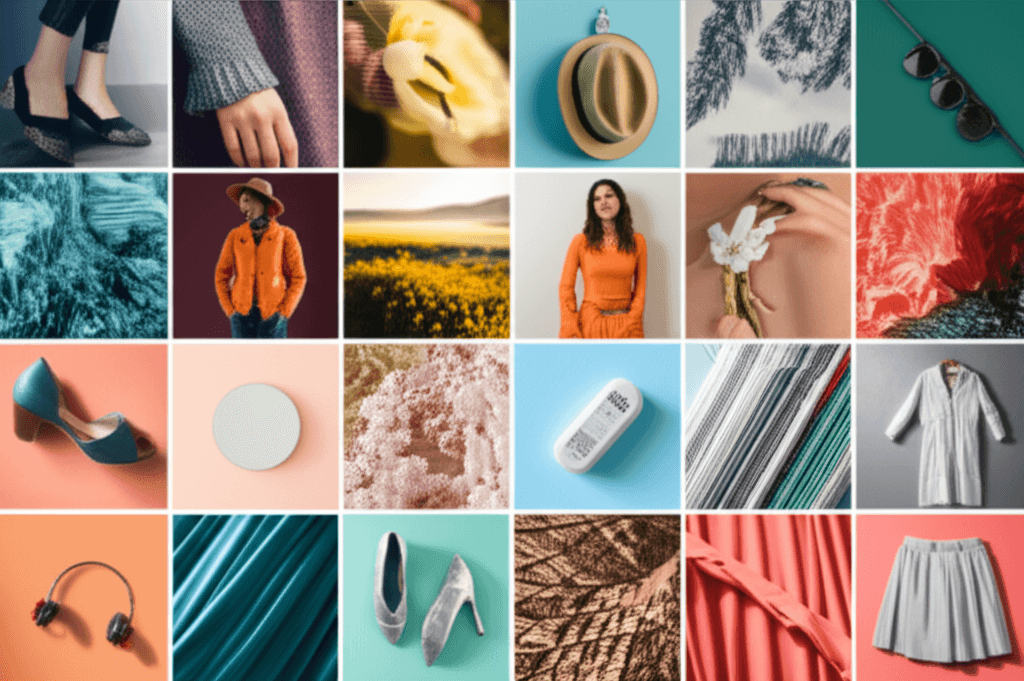
Style Ideas for Every Season
Seasonal style does not have to be a guessing game. With a few smart principles and a small set of reliable pieces, you can move through spring, summer, fall, and winter with confidence and a clear sense of personal taste. This article lays out practical Ideas for Every Season so you can plan outfits that feel current while staying true to what suits you most.
Across the following sections you will find concrete outfit formulas, fabric guidance, layering methods, accessory pairings, and simple maintenance tips that lengthen the life of your wardrobe. Expect specific examples you can use right away along with notes on when to choose structure over ease and how to balance comfort with a polished look.
Spring Style Ideas for Every Season with Fresh Layers and Color
Spring is the season of change between cool and warm days. Focus on lightweight outerwear and pieces that handle a temperature swing without losing shape. Think utility jackets, unlined blazers, and relaxed trench coats that sit well over tees and shirts.
- Outfit formula for casual days: a thin knit sweater, straight leg jeans, leather sneakers, light trench.
- Outfit formula for work or meetings: cotton poplin shirt, lightweight blazer, cropped tailored trousers, loafers.
- Tip on color: pair a muted neutral base with one bright accent like a seafoam scarf or coral knit to convey freshness without excess contrast.
Spring fabrics to favor include cotton poplin, linen blends with some nylon for less wrinkle, and fine knits that breathe. Prefer garments with easy care labels so spring showers or pollen days do not force constant trips to the cleaner.
Summer Style Ideas for Every Season That Stay Cool and Polished
Summer style emphasizes airflow and lightness while keeping proportions tidy. Choose fabrics with natural loft and moisture wicking properties. Linen is classic yet wrinkles easily so consider linen blends or washed linen for a lived in look that still reads intentional.
- Daytime lineup: lightweight short sleeve shirt, relaxed fit shorts or lightweight chinos, woven sandals or low profile sneakers.
- Evening lineup: unlined summer blazer in light color, short sleeve camp collar shirt, tapered trousers, suede loafers.
- Color and pattern note: small scale prints or narrow stripes maintain a refined impression where large prints can feel loud.
Stay mindful of fit. Clothes that are too loose can appear sloppy while overly tight garments trap heat. Aim for a relaxed silhouette that follows the body without clinging.
Fall Style Ideas for Every Season with Layered Textures
Fall is ideal for exploring texture and intermediate weight layers. It is one of the easiest times to look considered because a mix of fabrics reads interesting without additional effort. Key pieces include midweight wool coats, corduroy trousers, suede boots, and merino or cashmere blend knits.
- Smart casual: button down shirt, merino sweater, tailored corduroys, Chelsea boots.
- Weekend look: flannel shirt, denim jacket, dark wash jeans, desert boots.
- Color scheme: earth tones work well in fall. Olive, rust, camel, and deep navy create an easy palette that layers well.
Layering technique: keep a close fitted base layer and add bulkier items outward so movement remains comfortable. This also helps when the temperature drops in the evening and you need to add a coat without looking oversized.
Winter Style Ideas for Every Season That Combine Warmth and Proportion
Winter requires thought about insulation and silhouette. Bulky items are necessary but they should be balanced with streamlined layers underneath. Aim for a coat that fits over your intended outfit without pulling at the shoulders.
- Cold weather core: heavyweight wool overcoat, insulated parka for severe weather, thick knit sweater, thermal base layer where needed.
- Footwear: opt for waterproof leather boots with a non slip sole for icy conditions and consider a dress boot for formal settings.
- Accessory focus: gloves in leather or knit, a neutral scarf, and a beanie that fits close to the head.
Invest in water resistant outerwear with seam construction that keeps wind out. If you wear suits in winter, choose flannel or heavier wool and a longer overcoat to cover the lapel line and prevent heat loss.
Transitional Layering Tips for Every Season to Move Between Weather Patterns
Transitional days demand modular outfits that let you add or remove a layer quickly. The goal is to preserve comfort and style without carrying a too large bag for outerwear. A vest, lightweight overshirt, or packable down layer are highly useful elements.
Layer Ordering for Practical Movement
Start with a fitted base layer then a mid layer that traps heat and a shell or coat to block wind and rain. A thin mid layer like a quilted vest gives warmth without restricting arm mobility. For dress oriented looks, a blazer may serve as a mid layer under a light rain coat.
Quick Transition Accessories
Use a scarf or a neck gaiter that can be removed and folded compactly. A pair of gloves with touchscreen capability keeps hands warm while allowing phone access. A compact umbrella that fits inside a tote or briefcase makes late season showers simple to manage.
Accessories and Footwear Ideas for Every Season to Complete Outfits
Accessories and shoes finish an outfit. For a consistent personal look, select a small set of shoes and accessories that cover most scenarios rather than chasing trends. Choose two to three shoe silhouettes in reliable colors and a handful of neutral belts that match your main footwear leathers.
Seasonal Shoe Rotation
- Spring and summer: lightweight sneakers, woven slip ons, minimalist sandals for casual settings.
- Fall: suede chukkas, leather loafers with a rubber sole for damp days.
- Winter: insulated leather boots, dress boots with a lug sole when needed.
Accessory Rules That Reduce Decision Fatigue
- Limit statement pieces for weekday wear and reserve them for weekend or evening looks.
- Choose watch straps and belts to match shoe leather for a cohesive impression.
- Pick one signature outerwear piece each season that can be mixed freely with other items.
Seasonal Fabrics and Care Ideas for Every Season to Keep Pieces Looking New
Material choice matters as much as cut. Knowing what to wear and how to look after it pays off with better drape and longer life for each item.
- Cotton: versatile and breathable. Use for shirts and lightweight trousers. Machine wash unless label says otherwise.
- Linen: best for hot months. Blends resist wrinkles more than pure linen.
- Wool and wool blends: naturally insulating and odor resistant. Store off season with cedar or lavender sachets to deter moths.
- Synthetics: good for performance needs. Use sparingly in dress garments where natural fibers read more refined.
Care tips: follow garment labels, air garments after wear, and spot treat stains promptly. For knitted pieces, fold rather than hang to prevent shoulder distortion. A light tailoring adjustment can fix fit issues at a fraction of the cost of replacement.
Practical Outfit Examples and Mini Wardrobe Plans for Every Season
Below are quick references you can adapt to your lifestyle. Each mini plan lists core pieces and two sample ensembles.
- Minimalist commuter
- Core pieces: slim wool coat, neutral blazer, three crisp shirts, dark chinos, leather sneakers, leather boots.
- Spring outfit: shirt, blazer, chinos, sneakers.
- Winter outfit: thermal base, sweater, wool coat, boots.
- Weekend creative
- Core pieces: denim jacket, flannel shirts, relaxed tees, corduroy pants, suede chukkas.
- Fall outfit: flannel, denim jacket, corduroys, chukkas.
- Summer outfit: relaxed tee, shorts, woven sandals.
- Smart dresser
- Core pieces: unlined blazer, lightweight trousers, structured coat, loafers, dress boots.
- Spring outfit: cotton shirt, blazer, trousers, loafers.
- Winter outfit: flannel shirt, merino sweater, structured coat, boots.
Visual inspiration helps when you are testing proportions and color mixes. For a steady stream of outfit combinations and real world examples, follow a stylist who posts seasonal mixes and street level looks like those on Charles Vermont Instagram where you can see how pieces pair across temperatures and functions.
Seasonal dressing becomes simpler with clear rules and a compact set of reliable items. Use neutral foundations and switch texture, color, and accessories as the months change. Keep maintenance simple with proper storage, quick spot care, and minimal tailoring for fit problems. Start by auditing your wardrobe, identify gaps that prevent outfit versatility, and add one or two pieces each season rather than a large purge at once. If you try one change first, make it a layering piece that covers several temperature ranges. Small intentional moves create a wardrobe that feels cohesive and useful. If you enjoyed these Ideas for Every Season try applying one suggestion this week and notice how much easier outfit choice becomes. For more daily combinations and styling examples consider following visual updates that show outfits in motion and seasonal mixes in real settings.